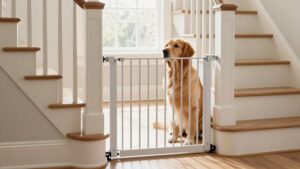
Dog Run vs Fenced Yard: Cost, Space and Escape-Proofing Compared
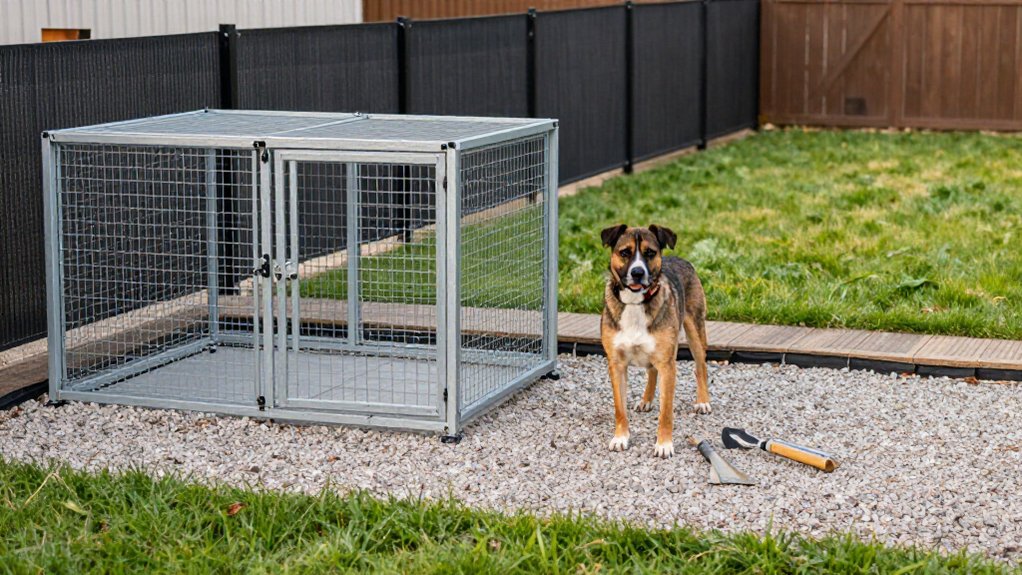
A dog run usually costs less than fencing your whole yard because you need fewer materials, posts, and gates. It also gives you a smaller area to inspect and secure, while a fenced yard offers more room to explore and requires perimeter-wide escape checks.
Match fence height, gaps, gates, and bottom barriers to your dog’s size, jumping, and digging habits. Check local rules and rental terms before installing either option; the details below can help you choose safely.
Space Needs and Escape Risks
How much space your dog needs depends on how they behave and what your yard contains. A dog run can suit a digger, jumper, or dog needing supervision, but give them enough room to move. A full-yard fence offers more exploration, yet may expose your dog to pools, gardens, or steep slopes.
Match height and spacing to your dog: many dogs stay within four-foot fencing, while skilled jumpers may need five to six feet. Small dogs may need picket gaps near 1⅝ inches. Inspect the perimeter for low spots, gaps, and places where ground dips. Add an outward-bent wire L-footer if your dog digs; supervise time outside and practice recall.
| Choice | Space | Check |
|---|---|---|
| Run | Room to move | Digging barrier |
| Yard | Explore | Inspect perimeter |
Gate Placement and Entry Points
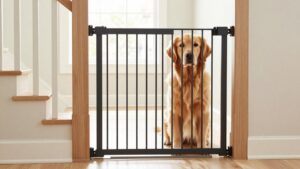
Place the dog-run gate where it’s easy to reach for daily use, while keeping the enclosure secure. You should choose an inward-swinging gate to reduce escape opportunities, since dogs may rush or push when you enter. A secure latch helps keep the gate shut; check its hinges and latch yearly, and tighten them if the gate starts to drag.
For extra protection, build a small gated area just inside the main entrance. This airlock keeps your dog contained if the outer door opens unexpectedly. Two gates also give you a backup barrier if one stays open. In storm-prone areas, add an inside lock to a swinging gate if needed.
Before opening either entry, secure your dog behind the second barrier or on leash.
Weather and Shelter Needs
Whatever the setup, give your dog shade and a dry, sheltered place to rest in rain, wind, or other poor weather. In a dog run, add shade where your dog can leave direct sun; in a full yard, cover the spots your dog actually uses. Without relief, heat and exposure can make outdoor time stressful, and a dog may seek unsafe ways to escape.
Provide a weatherproof shelter sized for comfortable rest, and check that it stays dry and secure. After storms, inspect either setup for loose panels, gaps, or other damage; wind can swing a large gate open. Choose durable materials when you can: vinyl resists rot and splintering, while quality polypropylene can resist UV exposure. Keep the boundary secure through changing seasons.
Cleaning and Drainage Needs
Cleanup tends to be simpler in a dog run because its smaller area is easier to inspect and maintain. Choose surfaces and a layout you can reach with a rake or hose, and remove waste promptly; lingering odors can make some dogs avoid a toileting spot.
- Slope water away from the run; standing puddles can keep paws and footing wet.
- Check low spots after rain, then correct pooling before it softens the ground.
- Inspect gates and edges for gaps where erosion could create an escape route.
- In a fenced yard, watch mud, worn paths, and landscaping damage during routine upkeep.
Keep an inspection routine: clean accessible surfaces, note ground changes, and fix hazards promptly so your dog can use the enclosure comfortably and safely.
Dog Size and Activity Level
Match the enclosure to your dog’s size and habits: small dogs may squeeze through pickets, so test gaps around 1⅝ inches against your dog before choosing a fence. Medium or large dogs generally need a sturdy fence about 4–4½ feet high; strong jumpers may need 5–6 feet. Active dogs may jump or climb, so choose a taller, secure run or yard without low rails they can use as footholds.
Dogs that dig need a tight bottom; add an L-shaped wire footer or another reinforced barrier to discourage escapes. If your larger, active dog spends hours outdoors, a full-yard fence can provide room to move. A dog run gives you closer control when your dog needs supervision. Choose based on daily exercise and escape behavior.
Permit and HOA Requirements
Before choosing a dog run or full-yard fence, check local permit rules and HOA restrictions on placement, height, materials, and layout. Ask your permitting office and HOA before you settle on a design; requirements can affect where and how your dog can safely roam. Some cities inspect post holes before work proceeds, so approval may add waiting time.
Use this checklist:
- Confirm whether your city requires a permit or post-hole inspection.
- Check HOA-approved styles and colors; one Eureka fence had to match black aluminum.
- Ask about placement, height, materials, and layout before marking the run or yard.
- If you’re considering an electronic fence, verify that your HOA accepts its open-yard appearance.
Then choose boundaries that fit your dog’s recall, escape habits, and need for supervision outdoors.
Upfront Installation Costs
A dog run usually costs less upfront than a full-yard fence because it encloses less space and needs fewer posts, materials, and gates. Your total depends on size, height, material, gate, and reinforcement suited to your dog’s behavior. A determined jumper or digger may need a taller or more secure setup, so don’t choose solely by the lowest quote.
For a full-yard fence, perimeter, material, terrain, and installation needs drive the price. One estimate places an average outdoor fence setup at $1,600-$7,000; a quarter-acre physical fence may start around $4,500. Temporary fencing can lower your initial cost and avoid permanent installation, but cheaper options may offer less durability. Compare quotes for your area and escape risks, then choose an enclosure that keeps your dog safely contained.
Maintenance and Repair Demands
A dog run’s smaller footprint makes it easier for you to inspect, clean, and repair than a full-yard fence. Check panels, gates, latches, and the base for damage or digging that could create an escape route. With a yard fence, inspect the longer perimeter for gaps and weak spots, and repair damage promptly to keep your dog secure.
Routine Upkeep
Routine upkeep is usually simpler with a dog run because its smaller area is easier to inspect, clean, and repair.
You still need consistent checks:
- Check gates and latches, reinforced bottoms, and fence spacing for damage or escape gaps.
- Inspect fence lines for loose panels, missing slats, gaps, and deterioration; tighten hinges and latches yearly, or sooner if a gate drags.
- With a full-yard fence, inspect corners, low spots, access points, and gates; watch for digging, worn paths, mud, and damaged landscaping.
- Choose durable materials: chain link takes little upkeep and is easy to fix, while vinyl rinses clean with a hose and needs no paint or stain.
A dog’s digging or repeated pacing can expose weak spots, so address changes promptly.
Repair Costs
Because a dog run covers less area, you’ll generally spend less time and money inspecting and repairing it than a full-yard fence.
Check both setups for loose panels, gaps, damaged sections, digging routes, and worn or low spots. A full-yard fence has more perimeter and access points to inspect, so overlooked weaknesses can leave your dog an escape route.
On a dog run, inspect the bottom, gate, and latch, and reinforce areas your dog pushes or digs. Replace missing wooden slats, secure loose panels to posts, or add a secondary barrier if you can’t repair an existing fence.
Check gate hinges and latches yearly; tighten them if the gate starts to drag. Repair damage promptly, since stress or boredom may encourage escape attempts.
Best Fit for Rental Properties
Before adding a fence or dog run, check your lease and get your landlord’s approval, especially if installation involves digging. A portable run can give your dog a secure exercise and bathroom area without fencing the whole yard, and you can move or remove it as needed. Choose safe spacing, adequate height, and a secure gate, and ask how any installation could affect your security deposit.
Lease Restrictions
For a rental property, check your lease and get your landlord’s written approval before installing a permanent fence, since posts may require digging and the fence can alter the property. If your lease limits alterations, a removable dog run may suit you better. Match it to your dog’s size and habits, because height, gate security, and the bottom edge affect escape risk.
- Check the run’s height and gate latch; jumpers need height, and gates must close securely.
- Inspect the bottom edge, especially if your dog digs; a run can leave an exit.
- Don’t treat electronic or GPS boundaries as fencing: they won’t block people or other animals.
- If a fence is allowed, agree on its location, materials, and upkeep with your landlord before work.
Portable Fencing Options
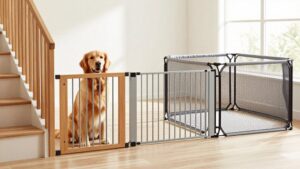
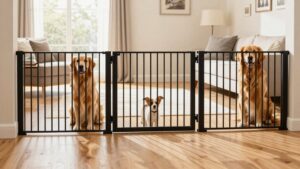
If your lease rules out a permanent fence, portable fencing lets you create a movable boundary without a time-consuming installation. You can reposition sections as your dog’s routine changes, then take them down when you no longer need them. Choose panels tall enough for your dog, with gaps too narrow for squeezing through; add a secure bottom barrier if digging is likely. Check latches and connections before each session, and supervise your dog while outside.
Portable pens and temporary barriers can work for short-term use, but don’t treat tie-outs, trolley lines, or pens as escape-proof setups for a determined dog. Use them briefly and stay nearby, especially while your dog is learning the boundary. Crates and playpens offer compact, affordable options, but their limited room makes them unsuitable for prolonged confinement. Give your dog frequent breaks.
Security Deposit Considerations
Because a portable dog run is usually easier to remove than a permanent fence, it may be a better fit for a rental and help limit changes that could affect your security deposit. Check your lease and get written landlord approval before installing fencing, attaching barriers, or changing the yard.
- A smaller run limits fenced space and costs, leaving the rest of your yard unchanged.
- Choose a secure gate and reinforced bottom; inspect regularly for digging, gaps, or damage that could create an escape route.
- Consider your dog’s size, strength, and digging habits; supervise as needed to prevent escape.
- Before moving out, confirm whether your landlord expects you to remove temporary fencing and restore affected areas, helping prevent deposit deductions.
Long-Term Property Value
A well-planned fence can make your yard more useful and appealing, which may support long-term property value.
A full-yard boundary adds privacy and security and gives you space to enjoy; a dog run creates a dedicated pet area. Permanent fencing may outlast portable panels, which you can remove when needs change. Choose materials with upkeep in mind: vinyl needs no painting or staining, while brick and stone need little maintenance but cost more upfront.
A dog run uses fewer materials and is easier to inspect, clean, and repair. A full-yard fence needs more posts and gates, so upkeep can grow. Check latches and gaps regularly to prevent escapes and support safe behavior. Combine both to give your dog room to roam while shielding gardens, patios, or pools.
Conclusion
Choose the setup that fits your dog’s size, energy, and escape habits, not just your budget. A dog run can offer secure, manageable space with less fencing, while a fenced yard gives more room but needs careful gate, boundary, drainage, and shelter checks.
Compare installation and upkeep costs, and consider rental rules and property value. Whichever you choose, supervise outdoor time, inspect latches and barriers regularly, and provide exercise, shade, and enrichment so your dog stays safe and content.