
Dog Crate and Kennel Reviews and How-To Guides
KennelHow helps dog owners choose and fix crates, kennels, pads and gates. We compare designs on sizing, latch security, ventilation and durability, then explain step by step how to set them up and solve common problems.
KennelHow helps dog owners choose, set up and troubleshoot crates and kennels that fit their dog and their home. Every guide starts with the practical questions a trainer would ask: size, security, ventilation and how a dog actually behaves inside. Coverage spans car and truck crates, crate accessories, cleaning and care, covers, pads and beds, replacement parts, dog gates, dog houses, furniture-style crates, and heavy-duty escape-proof crates.
Latest Contents
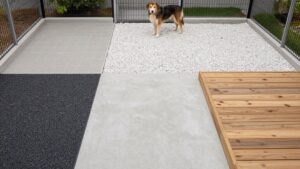


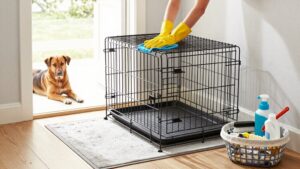
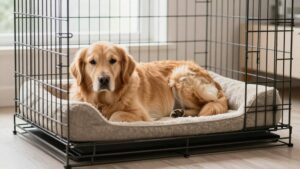
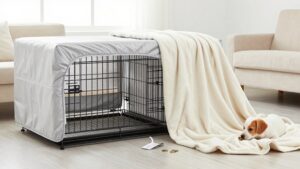
What Is KennelHow?
Car & Truck Crates
Travel crates and carriers sized for back seats, SUV cargo areas and truck beds, with notes on crash-minded construction, tie-down points, ventilation and how easily a crate folds, loads and cleans between trips.
A crate should be a safe den, never a punishment, and the setup decides which it becomes.
How KennelHow Chooses Gear
- Fit and sizing: We check whether a crate lets a dog stand, turn and lie down, and how well dividers adjust for puppies.
- Security and safety: Latches, welds, gaps and edges are inspected for escape risks, pinch points and anything a dog could chew loose.
- Ventilation and comfort: Airflow, floor surfaces, padding and placement advice are weighed so a crate stays cool, dry and calm.
- Cleaning and durability: Trays, fabrics and frames are judged on how easily they wash and how they cope with accidents and daily wear.
Frequently Asked Questions
How do I choose the right crate size for my dog?
Pick a crate where your dog can stand without ducking, turn around easily and lie stretched out. Measure from nose to base of tail and shoulder height, then add a few inches. For growing puppies, choose a crate with a divider so the space can expand.
Should I choose a wire, plastic or furniture-style crate?
It depends on your dog and your goals. Wire crates offer strong airflow and fold flat, plastic crates suit travel and den-like comfort, and furniture-style crates blend into a room. Strong chewers or escape artists generally need heavy-duty steel designs instead.
What should I do if my dog whines or barks in the crate?
First rule out needs such as exercise, bathroom breaks and hunger, then make the crate a calm place with short, positive sessions. Avoid letting the dog out in the middle of a noisy spell, since that may teach it that noise works.
How often should I clean a dog crate?
Wipe up accidents right away, wash bedding weekly and give the tray and frame a deeper clean about once a month. Use pet-safe cleaners and let everything dry fully before your dog returns, because dampness and leftover odors can encourage repeat accidents.
Can a dog travel safely in a crate in the car?
A well-fitted, sturdy crate secured in the cargo area or back seat is generally a safer option than a loose dog. Look for good ventilation and solid tie-down points, and make sure the crate cannot slide, tip or shift during braking.
Most Viewed



Most Asked
- 1Should You Crate a Dog With Separation Anxiety? When It Helps or Hurts
- 2Are Furniture-Style Dog Crates Worth It? Style vs Chew-ResistanceFurniture Crates
- 3How Often Should You Clean a Dog Crate? A Daily, Weekly and Monthly RoutineCrate Cleaning
- 4Crate Pad vs Dog Bed: Which One Belongs Inside the Crate?Crate Beds