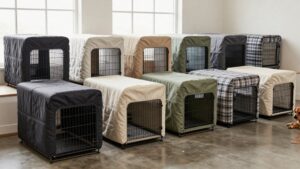
How to Cover a Dog Crate With a Blanket Safely (Without Overheating)
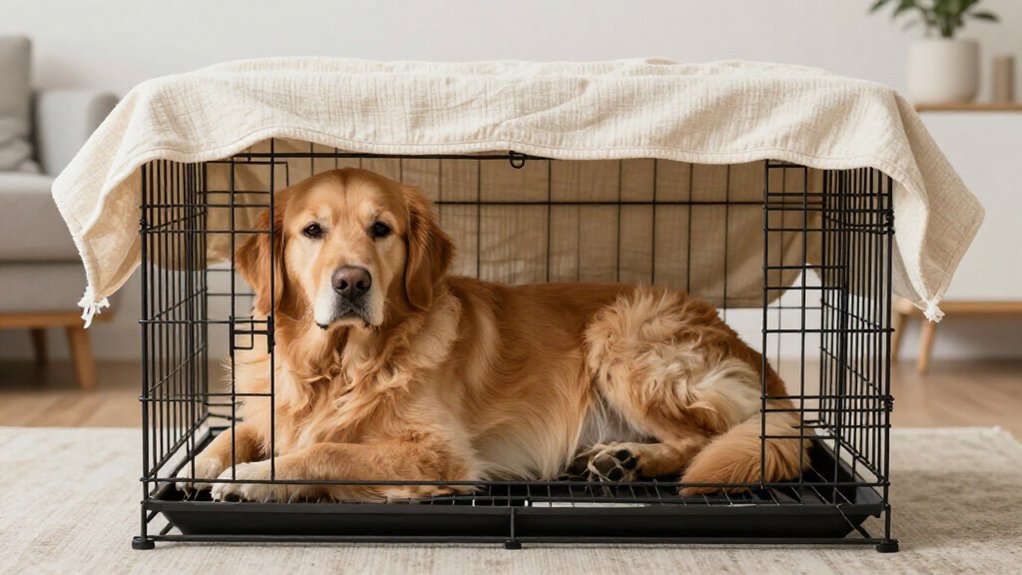
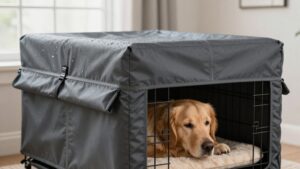
Choose a shaded, ventilated indoor spot away from sunlight and heaters. Drape a lightweight cotton blanket over the crate’s top, keeping the door and vents clear. Secure loose edges outside with clips, and check that the door opens freely. Watch for panting or restlessness; uncover the crate and move it somewhere cooler if these appear.
Introduce the cover gradually, and remove it if your dog chews or pulls fabric inside. More safety tips follow below.
Ventilation and Heat Checks
If you cover your dog’s crate, use a lightweight, breathable blanket over only part of it, keeping the door and vents clear for airflow. Avoid heavy covers, particularly in warm or humid weather, because they can trap heat and increase overheating risk.
Place the crate away from direct sunlight and heaters, and check its spot again as the sun shifts; a comfortable area can warm later. Check your dog regularly for excessive panting, drooling, restlessness, or lethargy.
If you notice these signs, uncover the crate and move your dog to a cooler place. Your dog should be able to move away from the covered area at any time. If they seem uncomfortable or distressed, remove the blanket rather than waiting for them to settle.
Fabric Choice and Safety
Once you’ve checked airflow and temperature, choose a lightweight, breathable blanket, such as thin cotton, and cover only part of the crate. That lets air circulate while giving your dog a sheltered spot. In warm conditions, skip fleece and heavy thermal fabrics; their insulation can trap heat. Choose fabric without loose threads, tassels, fringe, or fibers your dog can shred, since swallowed material may cause choking or an intestinal blockage. Your dog’s comfort matters more than creating a fully covered den.
- Keep cloth away from vents and heat sources.
- If your dog chews or pulls fabric, secure it out of reach.
- Check often for damage and remove a torn blanket.
- Watch for discomfort or excessive panting, and uncover the crate if you notice either.
Step 1: Check Crate Door Clearance
Keep the blanket clear of the crate door so it can open and close freely without catching or blocking the latch. Leave the doorway uncovered so your dog can enter and exit easily, while allowing fresh air to circulate. Secure any loose fabric away from the opening; your dog could pull it inside, chew it, or become entangled.
Once you’ve placed the blanket, open and close the door several times. Check that the cover doesn’t slow the door, interfere with the latch, or snag as it moves.
Even a small obstruction can make access harder or leave fabric within reach, so adjust the cover before your dog uses the crate. A clear doorway helps your dog move in and out without catching the cover.
Step 2: Choose a Quiet Crating Spot
Place the crate in a quiet indoor spot away from busy walkways and household activity to limit visual and noise distractions. Choose a shaded, well-ventilated location away from direct sunlight; sunlight can heat the crate like a greenhouse. Avoid attics, sunrooms, and other warm, stuffy spaces where heat can build up. Keep the crate away from heaters and other heat sources, especially when you use a blanket.
Before settling on a spot, observe how sunlight shifts through the day and recheck the area as conditions change. A location that’s comfortable in the morning may become too warm later. Make sure the crate’s door and ventilation openings remain unobstructed so air can circulate freely. Check the room again at different times, especially during warm weather.
Step 3: Drape Blanket Over Crate
Drape a lightweight, breathable blanket over the crate’s top first, leaving the door, vents, and at least one side uncovered so air can circulate. Use a loose, breathable layer rather than a heavy or thick one; airflow matters more than creating a dark enclosure. Keep fabric outside the crate, where your dog can’t pull it in, chew it, or get tangled.
In warm or humid weather, leave extra space open, and keep the blanket away from heaters and direct sunlight. Check for panting, restlessness, or signs of overheating. If your dog seems distressed or the crate feels stuffy, remove the blanket or uncover more of the crate.
Step 4: Clip Blanket Along Top Edge
Once the blanket is draped over the crate’s top edge, secure it with clips so it can’t slip inside, where your dog might chew or shred it.
Place clips along the top edge, fastening the blanket to the crate without pulling it tight or changing the crate’s stability. Choose a lightweight, breathable fabric, and leave the sides and door open so air can circulate freely. Keep part of the blanket clear of vents and nearby heaters; blocked airflow or added heat can make the space uncomfortable.
Use clips that hold securely and don’t interfere with the door. After fastening, watch your dog and make sure the cover stays in place. Your dog should be able to rest comfortably, not pant, pace, or seem distressed. If you notice discomfort or signs of overheating, remove the blanket promptly and let the area cool. A cover should offer calm, not compromise comfort or ventilation.
Step 5: Check for Snagging Paws
Choose a smooth, tightly woven blanket with no loose threads, fringe, or unraveling edges that could snag your dog’s paws or claws. Before each use, run your fingers over the fabric and inspect the crate bars for catches, tears, or chew damage. Replace a blanket or stop using it if you find a damaged area; a small split can widen and create loops that trap a claw.
Keep the covering outside the crate, where your dog can’t pull it through the bars and become tangled. Make sure it doesn’t block the door or openings, either, so your dog can move freely and paws won’t get caught when entering or leaving. Check after your dog has been alone or has chewed at the fabric. These quick checks help you spot hazards early without limiting your dog’s comfort.
Step 6: Tuck Away Loose Edges
Tuck every blanket edge securely outside the crate so your dog can’t pull it through the bars and chew or shred it. Keep fabric clear of the door, vents, and openings; blocked airflow can limit ventilation.
Avoid dangling corners, fringe, tassels, and unraveling fabric. These can snag, invite chewing, or be swallowed, creating risks.
Check that the blanket stays put, especially if your dog’s a puppy or tugs at fabric. Don’t rely on a loose tuck if your dog can reach an edge.
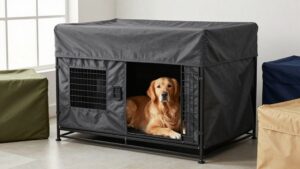
Remove the blanket if your dog can pull it inside or chew it. A securely fitted, breathable crate cover may be a safer option, provided it leaves ventilation and access unobstructed. Choose a safe setup that keeps airflow clear and prevents chewing hazards.
Observe Your Dog’s Settling
A secure cover is only helpful if your dog feels comfortable using the crate.
Begin with the top covered and sides open. Over several days, add one side at a time, watching your dog. Look for voluntary entry, quiet settling, and normal rest. Scratching, pacing, whining, or attempts to escape suggest your dog may not feel at ease.
Check periodically for excessive panting, drooling, restlessness, or breathing difficulty, especially in humid weather or if your dog has a short nose. Keep the crate well ventilated, and reduce or remove the cover if distress or overheating signs appear. Never leave a cover unattended with a puppy or known chewer until you’re confident it can’t be pulled inside, shredded, or swallowed. Stay close initially.
Blanket-Shoving Troubleshooting
If your dog shoves or pulls the blanket through the crate bars, remove the loose fabric right away, chewing or swallowing pieces can cause choking or an intestinal blockage. For early attempts, supervise. Try covering only the top, leaving sides uncovered. Keep any cover taut and fastened, with no dangling edges or fabric within reach. Avoid fringe, tassels, loose threads, and knits that unravel easily.
| Situation | Safer response | Why |
|---|---|---|
| Dog grabs loose blanket | Remove it; don’t let chewing continue | Swallowed fabric may block the gut |
| Dog keeps pulling cover | Switch to fitted cover secured out of reach | Prevents access to fabric |
If your dog remains distressed or keeps trying to pull the cover in, leave the crate uncovered. Your dog’s comfort and safety come first.
Wash and Inspect Blanket Regularly
Even a securely fitted cover needs regular care. Wash your dog’s blanket regularly, and clean it promptly whenever it gets damp or soiled. Warm, dirty fabric can support bacterial growth, so keeping the cover clean helps maintain a healthier space. Choose a pet-safe detergent and rinse the blanket thoroughly.
Leftover detergent may irritate your dog’s skin or trigger an allergic reaction. Before each use, inspect the fabric for holes, loose threads, frayed edges, or unraveling. These defects can invite chewing and create choking or entanglement hazards, especially if your dog pulls fabric into the crate. Remove a damaged blanket right away rather than waiting for the next wash.
After laundering, check that it remains lightweight and breathable. Replace it if it becomes thick, damaged, or difficult to keep clean.
Conclusion
Covering your dog’s crate can make it feel calmer, but comfort should never come at the cost of airflow or safe access. Choose a breathable, secure blanket, keep the door clear, and check your dog for panting, restlessness, or unusual warmth.
If your dog pushes fabric inside or seems distressed, remove it and reassess the setup. Every dog responds differently, so let your dog’s behavior guide you. When in doubt, ask your veterinarian for advice.