Should You Cover a Dog Crate at Night? Pros, Cons and Airflow Rules
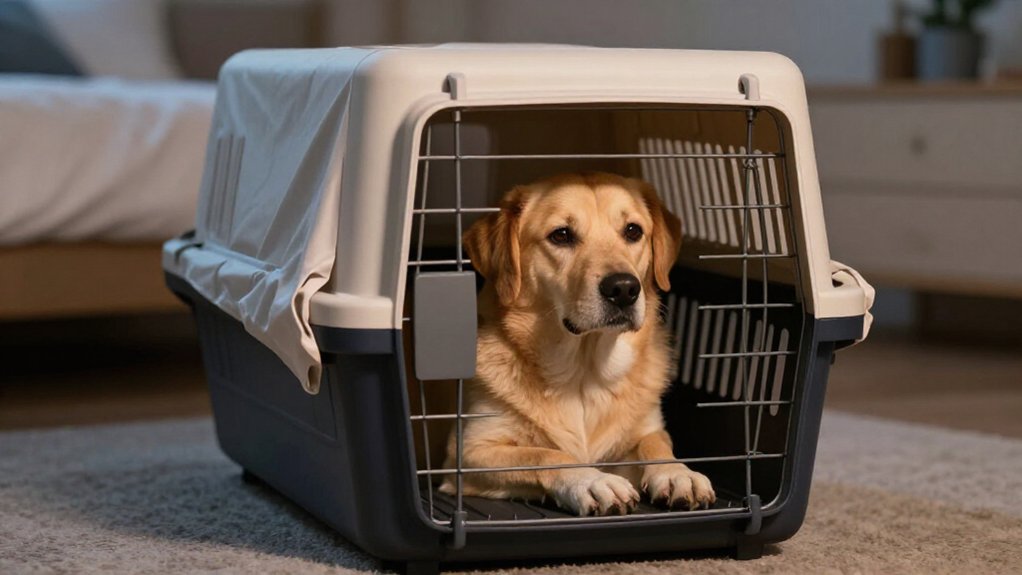
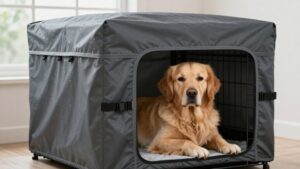
You can cover your dog’s crate tonight if your dog finds it calming, but never enclose it completely. Keep the door and vents clear, with at least two sides open for airflow.
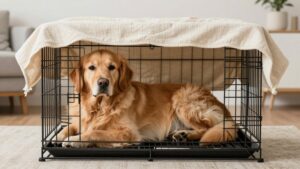
Start by covering only the top, then add one side at a time.
Choose breathable fabric, check warmth, and remove it if your dog pants, struggles, or chews it. A cover may soften light, and the setup tips below can help you decide.
Leave Two Sides Uncovered
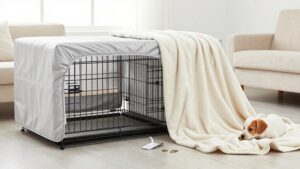
Leave at least two sides of the crate uncovered so fresh air can circulate and your dog can stay comfortable.
Covering the remaining sections with breathable fabric can provide a sense of enclosure without trapping your dog in a sealed space. Avoid heavy blankets that block ventilation, and keep the crate door and any ventilation openings clear. Check the crate for heat buildup, particularly during warm or humid weather.
If your dog pants, shifts restlessly, or otherwise seems uncomfortable, uncover more of the crate and reassess the room’s temperature. Your dog’s behavior matters more than achieving a fully covered look. Make sure the fabric stays securely out of reach if your dog might pull it inside, chew it, or swallow pieces. Stay alert tonight.
Airflow Around the Crate
Because dogs need steady airflow to stay comfortable, never cover a crate completely. Leave openings so air can circulate freely. Choose breathable fabric rather than heavy material, which can trap heat or restrict ventilation.
Keep the door and built-in vents clear; a cover shouldn’t block either route. Secure the fabric beyond your dog’s reach to reduce chewing and swallowing risks.
Check your dog for signs of overheating, such as unusual panting or restlessness, especially when the air is warm and humid. If the cover shifts, remove or reposition it before it obstructs airflow. Keep fabric away from heaters and other heat sources, where it could warm or catch fire.
Your dog may seek a covered space for comfort, but safe ventilation must come first.
Bedtime Temperature Changes
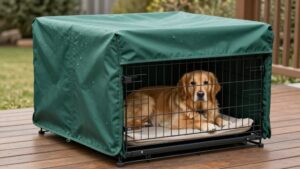
On cold nights, a blanket can help your dog stay warm, while a lightweight cover can provide shade in warmer weather.
Indoor temperatures can shift overnight. Choose breathable fabric, and keep vents and the door unobstructed so air can circulate. In warm or humid weather, check the temperature beneath the cover; a covered crate can overheat, especially for flat-faced breeds.
Keep coverings well away from heaters and other heat sources, and skip insulated options unless conditions are cold enough to justify them. Watch your dog, too. Heavy panting, restlessness, or other signs of discomfort mean you should remove or adjust the cover promptly.
Your dog may need a different setup as the night changes, so check in rather than assuming the crate stays comfortable.
Mesh Versus Fabric Covers
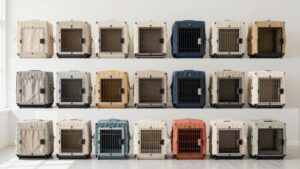
Mesh lets more air and light through, while breathable fabric can block distractions and create a more sheltered space. Choose a cover that suits your dog’s comfort, and keep the crate door and vents clear, especially in warm or humid weather.
Check that the cover stays secure and easy to clean, and remove it if your dog chews it or seems distressed.
Breathability And Airflow
Choose a breathable cover that provides shade without restricting airflow; lightweight mesh often works better than heavy fabric. Mesh lets air circulate, while dense fabric can trap warmth if it blocks ventilation. Don’t wrap the crate completely: keep the door and vents clear so fresh air can reach your dog.
Check the cover after your dog settles and shifts around. Fabric or mesh can sag over openings and reduce airflow, so adjust or secure it before bedtime. Watch for signs of overheating, particularly in humid summer weather or if your dog has a short, flat face. If your dog seems distressed or unusually warm, remove the cover and help them cool down.
Keep any cover away from heaters and secure it so your dog can’t pull it into the crate, chew it, or swallow pieces.
Light Blocking Ability
Opaque fabric blocks more light than mesh, which may help if streetlights disturb your dog at night. Mesh lets more light through but preserves visibility, so it may suit a dog who feels uneasy when fully screened from the room.
A lightweight, breathable fabric can reduce light without restricting airflow. Keep vents and the crate door unobstructed, and make sure the cover fits securely; loose material could be pulled inside or chewed, creating a safety risk.
If you’re unsure what your dog prefers, start by covering only the top or one side at first. Watch whether your dog settles comfortably, then adjust gradually. If your dog seems distressed or overheated, remove the cover and reassess the setup rather than expecting them to adapt.
Durability And Cleaning
For everyday use, look for a cover that’s easy to clean, fits securely, and comes off without a struggle. Mesh and other breathable materials can support airflow, but they still need regular checks. Make sure the cover stays intact and fits securely, with no loose sections your dog could pull.
Fabric covers may suit some dogs, but inspect them often for wear, tears, and chewing damage. These defects can create choking or ingestion hazards. If your dog chews or tugs at fabric, supervise them until you know the cover is safe for them. Choose a different option if they keep damaging it; you don’t need to rely on a cover that causes stress or risk. Wash or clean the cover as needed, and replace it if damage makes it unsafe or cleaning becomes difficult.
Dog’s Age and Anxiety
A cover may help your puppy settle by blocking activity, so introduce it gradually and reward calm, voluntary crate time. Watch for anxiety cues; if your dog seems more distressed, uncover the crate or offer a partly covered retreat, and keep chewable fabric away from teething puppies. If your senior dog develops new or worsening anxiety, especially crate urination, ask your vet for advice rather than assuming it’s spite.
Puppies and Gradual Covering
Because puppies vary in age and comfort with enclosed spaces, introduce a crate cover gradually: drape it over the top first, leave the sides open, and let your puppy enter voluntarily. After your puppy settles, add coverage one side at a time over several days. Use treats and praise for calm settling, moving at your puppy’s pace.
Supervise early sessions, particularly if your teething puppy is around four to eight months old, because chewing or swallowing fabric can cause serious harm. Watch for signs of anxiety or distress.
If covering seems to upset your puppy, remove it or leave the crate partly covered or uncovered. Never use a cover as punishment; keep the crate a positive, voluntary place to rest, and let them choose.
Senior Dogs and Comfort
As your dog ages, a breathable crate cover may help them settle by blocking visual distractions, but watch for signs of distress, overheating, or chewing. Introduce it slowly: cover only the crate’s top at first, then reward your dog for entering and settling. Keep the sides partly open so air can circulate, and check that your dog stays comfortable; remove the fabric if they chew or pull it inside.
A cover won’t treat separation anxiety or prevent accidents. If your dog suddenly urinates in the crate, don’t assume spite—ask your veterinarian about bladder control or other health changes. Clean urine and replace soiled bedding to remove odors. Your dog’s comfort matters more than a covered, den-like look, so adjust the setup to their needs.
Anxiety Cues and Safe Retreat
Some anxious or easily startled dogs settle more readily when a crate cover blocks movement, light, and other visual distractions, but dogs respond differently. You can test it gradually: cover only the top first and leave the sides open. Keep the crate a voluntary, safe retreat, never punishment. Watch your dog and respond to cues:
| Cue | What it may mean | Your response |
|---|---|---|
| Relaxed resting | Cover may help | Continue observing |
| Whining or agitation | Distress may rise | Uncover or adjust |
| Chewing fabric | Swallowing risk | Supervise; remove access |
| Sudden accidents | Possible health issue | Ask your veterinarian |
Puppies, especially teething dogs around four to eight months, may shred fabric; supervise and keep swallowable material out of reach. If your senior dog suddenly has crate problems or urinates after years, arrange a veterinary assessment for safety.
Crate Cover Setup Examples
Start with a breathable blanket or fitted cover over the crate’s top, leaving every side open so your dog can adjust gradually. If your dog settles comfortably over a couple of days, cover one side. Add other sides one at a time, watching for signs that the setup suits your dog. This gradual approach lets you adjust without suddenly reducing visibility or airflow.
If your dog prefers to see the room, keep the cover over the top and just one or two sides; you don’t need to enclose the crate. Always leave the door and ventilation openings unobstructed, and keep fabric away from heaters and other heat sources. Secure the cover out of chewing reach. If your dog pulls at it, shreds it, or seems distressed, remove it and reassess the setup.
Chewing and Fabric Ingestion
When you first introduce a crate cover, supervise your dog closely: some dogs pull the fabric inside and shred it, risking swallowed pieces. Secure the cover so your dog can’t chew, tug, or ingest loose material. Check it regularly for damage, and remove it at the first sign of chewing or tearing. Teething puppies, often between four and eight months old, may be likely to chew covers and bedding.
If your dog starts chewing, take away the cover rather than scold. Watch for missing fabric, since swallowed pieces can pose a serious risk. If your dog persistently chews fabric, leave the crate uncovered rather than risk ingestion. Your dog’s safety comes first; use a cover only when you can secure it reliably and supervise your dog.
Assuming Covers Block All Light
A crate cover can reduce light and visual distractions, but it won’t necessarily make the space completely dark. Light may enter through uncovered sides, gaps, or breathable fabric; blockage depends on cover placement. Some dogs prefer seeing the room; others settle with partial coverage, so don’t assume darkness suits yours. Introduce coverage gradually:
- Cover only the top, keeping the door and vents clear.
- Observe whether your dog relaxes or shows distress.
- Add coverage to one side if your dog comfortable.
- Adjust or remove it if your dog becomes unsettled.
Choose breathable material even when you want to block more light. Keep airflow unobstructed, and let your dog’s behavior guide the setup. Some dogs rest better in dimness, but comfort and ventilation matter more than darkness.
Check for Chewed Fabric
Inspect the cover regularly for fraying, holes, or loose threads that your dog could swallow. These may pose choking or ingestion risks, so check seams and edges before bedtime. When you introduce a cover, supervise your dog, especially if they’ve chewed blankets or bedding before.
Secure the fabric outside the crate bars, so your dog can’t pull it inside or reach it to chew. If your dog starts chewing or tearing the cover, remove it promptly; swallowing fabric can cause serious harm. Teething puppies, often four to eight months old, may be particularly inclined to chew, but any dog can develop this habit. If chewing continues, leave the crate uncovered and ask your veterinarian or a qualified trainer about safer settling options at night.
Conclusion
Covering your dog’s crate can make bedtime feel calmer, but it isn’t right for every dog or room. Leave at least two sides open, keep air moving, and adjust the cover as temperatures change. Choose secure, breathable material, and supervise puppies or anxious chewers closely; remove fabric if your dog mouths it.
A cover won’t block all light, so judge comfort by your dog’s behavior. When in doubt, ask your veterinarian for tailored guidance.