Should You Put a Bed in a Dog Crate? Puppies, Chewers and Seniors
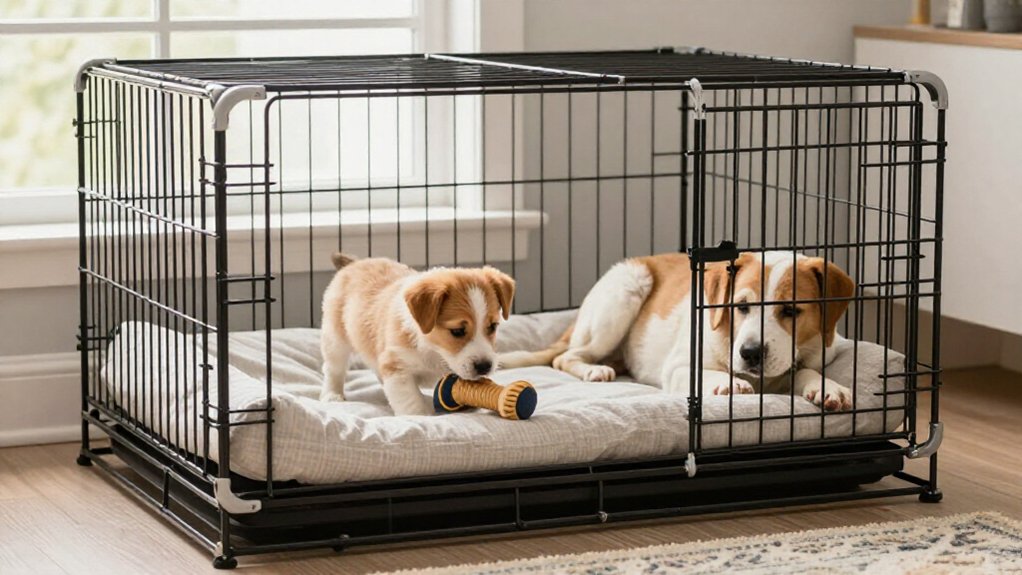
You can put a bed in your dog’s crate if it fits and your dog won’t chew or swallow it.
Measure the crate’s floor, then choose bedding that lies flat, keeps the door clear, and lets your dog stand, stretch, turn, and rest.
For puppies or chewers, use a washable pad—or leave the floor bare if needed.
Seniors may benefit from support. Remove damaged bedding, and keep collars off to prevent snags. More tips follow.
Bed Choices for Chewers
If your dog chews bedding, choose a sturdy, chew-resistant crate pad that fits the crate and is easy to wash. A secure fit helps limit bunching, while washable materials make cleanup simpler.
Skip loose piles of blankets or towels. If your dog swallows fabric, it can cause a potentially life-threatening intestinal blockage. If your dog shreds or eats bedding, remove it rather than hoping the behavior will stop. Use a durable bed or a bare crate floor until you can supervise a safer option.
You can redirect chewing with an appropriately sized, durable rubber chew toy, but inspect it and replace it if damaged. Don’t leave plush toys or a Snuggle Puppy with an aggressive chewer unsupervised; swallowed stuffing, batteries, or heat-pack contents can harm your dog.
Senior Dogs and Joint Support
For a senior dog with achy joints, a supportive crate bed can make resting more comfortable than lying on a hard floor. Choose an orthopedic bed that fits the crate and lets your dog lie down comfortably. Waterproof bedding can simplify accident cleanup, while washable covers make regular cleaning practical.
| Bed choice | Why it helps | Safety check |
|---|---|---|
| Orthopedic support | Fits crate | Comfortable fit |
| Waterproof bedding | Easier cleanup | Washable cover |
| Raised-edge pad | Headrest option | Easy step-over edge |
An edge can offer a headrest, but check your dog can step over it easily. Some smaller seniors may struggle with raised cots; choose a low, stable option suited to your dog’s mobility. Watch how your dog gets in and out, and ask your veterinarian about persistent pain or changes in movement or new discomfort.
A Chewer’s First Night
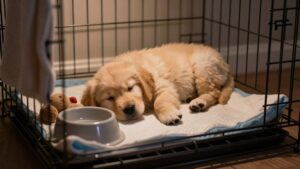
A puppy who chews may need a bare crate floor or a sturdy, chew-resistant bed on the first night; soft bedding can be shredded and swallowed, risking a dangerous intestinal blockage.
Skip blankets and towels, too: swallowed fabric can cause a potentially life-threatening blockage. If you offer a chew toy, choose durable rubber in an appropriate size, and supervise your puppy with it first to make sure it’s safe. Keep the crate beside your bed tonight; your presence can help your puppy feel secure.
When they need to potty, take them out quietly and return them to the crate without turning the break into playtime. If you use a crate cover, choose a rigid, crate-specific one until you know whether your puppy will chew it. Check the sleeping area regularly, and remove anything damaged before your puppy can swallow pieces. A simple setup is safest while you learn your puppy’s habits during these first nights.
Waterproof Crate Bed Covers
A waterproof cover can help contain puppy accidents and protect orthopedic bedding for senior dogs. Choose a snug-fitting cover you can machine-wash for easier cleanup. Check it often for damage, and remove it if your dog chews or swallows pieces.
Leak Protection
When accidents happen, a waterproof, washable crate bed can protect the crate and make cleanup easier. For a puppy still learning, choose bedding with a waterproof barrier so urine stays off the crate floor. Make sure the pad fits securely and lies flat; loose or bunched bedding can create a trip or chewing hazard.
If your dog uses a cot with a porous surface, place a pee pad underneath to catch liquid that passes through. For a senior dog, waterproof bedding can help manage occasional accidents while offering cushioning that supports aging joints. Check the cover’s condition since torn material may expose the crate or let moisture reach the floor. Choose a bed suited to your dog’s size and habits so protection stays dependable.
Easy Cleaning
For easier cleanup, choose a removable, machine-washable crate bed or cover that fits the floor. When your puppy has an accident, or your dog tracks in mud, you can lift out the bedding rather than scrub the crate by hand.
Many crate beds are machine-washable, so routine cleaning takes less effort; check the care label and wash the cover as directed. For a dog prone to accidents, a washable, waterproof option can help protect the crate floor. Choose one sized to cover that floor, and let it dry fully before you return it to the crate.
A removable raised-edge kennel pad may give your dog a comfortable place to rest its head while still making cleanup straightforward. Keep a spare cover ready between washes.
Secure Fit
To keep a waterproof crate bed in place, choose one that fits the crate floor and is easy to remove for washing. For puppies, choose a washable, chew-resistant cover that fits securely. Avoid loose fabric your dog could shred or swallow. Check it often, especially if your dog chews; replace it if damage exposes fabric or filling.
| Need | Safer choice |
|---|---|
| Puppy cover | Washable, chew-resistant |
| Liquid control | Waterproof cover; pee pad under porous cot |
Waterproof bedding can contain urine and spills, but it won’t prevent leaks through a porous cot. Place a pee pad underneath to protect the crate floor. Recheck the fit and cover regularly; replace damaged covers before your dog can reach fabric or filling. These checks support comfort and safety, too.
Puppy Toilet-Training Stage
During toilet training, expect accidents and choose a puppy-sized crate or divider so your puppy has room to move without extra space to toilet. If you add a bed, use washable, waterproof, chew-resistant bedding, and remove it if your puppy shreds or swallows fabric. The bed’s optional, so base your choice on your puppy’s comfort and chewing habits, and use washable covers or pads to manage messes.
Expecting Accidents
While your puppy is toilet-training, accidents are normal, so choose waterproof, machine-washable bedding that’s easy to clean. A washable pad or cover can contain messes; check its fit and whether your puppy chews it. Keep the crate large enough to stand, stretch, and turn, but not so roomy that your puppy can toilet at one end and sleep at the other.
| Situation | What you can do | Safety point |
|---|---|---|
| Puppy accident | Clean pad promptly | Dry crate |
| Chewing bedding | Remove it | Prevent swallowing |
| Crate sizing | Allow movement | Limit toilet corner |
| Repeated accidents | Call your vet | Check for infection |
| Water before bed | Ask your vet | Don’t restrict alone |
If accidents happen, a urinary tract infection may be responsible; consult your veterinarian, and ask before limiting bedtime water.
Choose Washable Bedding
For easier cleanup during toilet-training, choose waterproof bedding that’s machine-washable. A washable kennel pad can cover the crate floor and give your puppy room to lie down in different spots. After an accident, you can remove it and wash it rather than struggling with absorbent materials that hold moisture.
Check bedding fits the crate without crowding your puppy. They need enough clear space to stand, stretch, and turn around comfortably. If your puppy chews, choose a sturdy, chew-resistant option; loose blankets and towels can shred into pieces your puppy might swallow.
For a cot-style bed with a porous surface, place a pee pad underneath to catch urine and protect the area below. Check bedding regularly for damage, and remove any piece that’s coming apart.
When to Add a Bed
You don’t have to wait until toilet training is complete to add a bed to your puppy’s crate. During toilet training, choose a washable, waterproof, chew-resistant bed, and check that it stays clean. Only leave it in the crate if your puppy doesn’t shred or swallow it; swallowed fabric can cause a dangerous intestinal blockage. Choose a bed that fits the crate, with enough room for your puppy to stand, stretch, and turn around, but not excess space.
If accidents happen often, use a removable bed or washable cover, and place puppy pads underneath to protect the crate floor. If your puppy keeps soiling the bed, remove it temporarily and try again when toileting becomes more reliable. That’s a practical pause, not a setback.
Measure the Crate Floor
Before choosing a bed, measure the crate’s interior floor length and width so the pad fits without bunching or blocking the door. Check the floor, not the crate’s outer edges. Your pad should cover it smoothly and let your dog lie comfortably in a preferred position. For a puppy, set the divider for current use, then measure that space.
| Check | What you see | What to do |
|---|---|---|
| Flat pad | Floor covered | Leave door clear |
| Raised edges | Room remains | Check standing, stretching, turning |
Picture your dog settling, rising, and turning without squeezing against the sides. If raised edges crowd movement, choose a lower or smaller bed. Recheck after moving the divider; the pad should fit securely without shifting underfoot. Leave enough room for every nap.
Avoiding Collar Snags
Once the bed fits securely, check your dog’s collar before closing the crate. Remove your dog’s collar whenever possible; collars and dangling tags can catch on crate bars, creating an entanglement or strangulation hazard. This precaution may feel unfamiliar, but it helps keep your dog safer while resting.
If your dog must wear a collar in the crate, choose a breakaway safety collar designed to release if it snags. Check that it fits properly and works as intended before relying on it. Swap dangling ID tags for lay-flat tags, which reduce the chance of catching on the bars. Before each crating session, take a moment to check for loose straps or hanging accessories. A collar check is a simple step that can prevent an accident.
How to Clean a Soiled Crate Bed
When a crate bed gets soiled, remove it and clean it separately rather than washing it in place. Check the care instructions; many beds are washable, and removable covers can simplify cleanup. If your puppy is still having accidents, choose a bed that’s easy to wash.
- Follow the label’s washing and drying directions to protect the bed and make certain it’s fully dry before your dog uses it.
- If the bed is damaged or soaked through, replace it with a clean, dry option rather than returning it to the crate.
- With a porous cot, urine may pass through, so clean both the cot and the crate floor beneath it.
This helps your dog rest.
Check for Loose Seams
Even a clean, dry crate bed can pose a risk if its seams are damaged. Check your dog’s bedding regularly for loose stitching, frayed edges, or stuffing that’s beginning to show. Small gaps can tempt a dog to chew, and swallowed fabric or filling may cause choking or digestive problems.
Pay extra attention if you have a puppy or a dog who persistently chews or shreds. Look over the seams whenever you clean the bed, and act promptly if you spot damage. Remove the bed from the crate until you’ve repaired it securely; if you can’t restore it safely, replace it. Don’t assume a minor tear will stay small while your dog is unsupervised.
When choosing a replacement, favor a sturdy, washable, chew-resistant design.
Conclusion
Whether you’re choosing a bed for a puppy, a determined chewer, or a senior dog, let safety and comfort guide you. Measure the crate, check seams and fasteners, and choose materials your dog can’t shred or swallow. Use waterproof covers when accidents are possible, and keep the crate bare if bedding creates a hazard.
Watch how your dog responds, clean soiled bedding, and adjust your setup as their needs change. A safer bed supports rest.