Gravel vs Concrete Dog Kennel Floor: Drainage, Cleaning and Paw Comfort
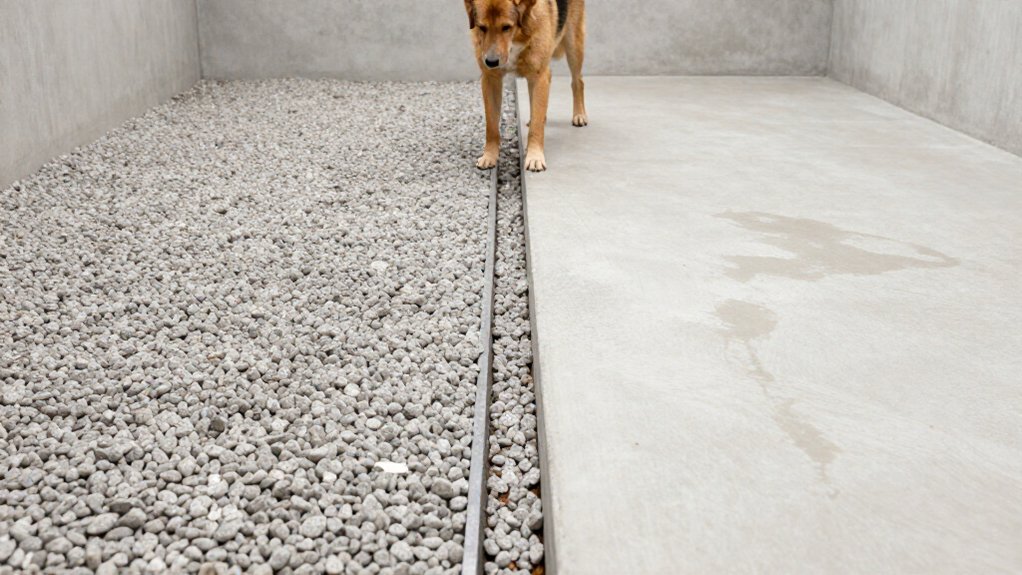
Choose compacted, framed gravel for softer, cooler footing and lower costs; choose concrete for easier hosing and a dig-resistant surface.
Neither drains well without grading: slope concrete toward a drain, and check gravel after rain for pooling or washout.
Concrete can feel cold and hard, while gravel is harder to sanitize. Add a dry resting area, and compare upkeep before deciding. More guidance can help you plan.
First-Rain Runoff Behavior
After the first rain, a properly graded gravel floor lets water drain between the stones, which can limit surface puddles and help keep the kennel usable. A framed border can reduce stone loss during runoff, but you may need to level the surface occasionally. Concrete sheds water across its surface; low spots and cracks can hold water and debris.
| Gravel | Concrete | Your check |
|---|---|---|
| Drains between stones | Sheds surface water | Watch puddles |
| Border limits shifting | Sloped floor guides runoff | Check drainage |
| Runoff may carry stones | Low spots collect debris | Check footing |
Choose based on where runoff can go, then watch your dog’s footing after rain. Keep drainage paths clear and remove pooled water promptly to support clean, comfortable daily use.
Gravel Compaction, Concrete Slope
Compact gravel within a framed, graded base to limit shifting and let rainwater drain instead of pooling. Check the grade after heavy rain; low spots tell you where to add and recompact material. Gravel feels softer than plain concrete, but you’ll need to level it occasionally, and its gaps make thorough sanitizing difficult. Remove waste promptly and inspect the surface so loose or uneven areas don’t undermine footing.
With concrete, set a slope toward a drain or runoff area. That grade directs wash water away instead of leaving puddles. Concrete lasts and hoses clean easily, yet wet floors can be slippery, and its hard surface may strain joints. If cleanup matters, use concrete as base with a raised, drainage-friendly layer; allow proper drainage beneath.
Paw Comfort in Cold Weather
In cold weather, gravel is generally softer underfoot than concrete and may feel more comfortable on dogs’ paws.
Concrete can feel cold and provides little temperature regulation, so a dog standing or lying on it for long periods may become uncomfortable. If your kennel has shaded concrete, expect the surface to stay cool and offer an especially uninviting place to rest in cold conditions.
You can improve comfort by separating your dog from the concrete with a raised floor layer, which gives paws a more comfortable standing surface. Rubber-covered flooring can also moderate temperature fluctuations, but check it regularly and keep the rubber intact. Damaged rubber can leave debris-collecting gaps, so repair it promptly and provide a dry, comfortable warm place to rest.
Installation and Setup Challenges
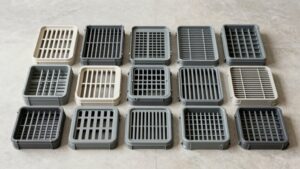
Comfort is only part of the choice; installation and upkeep also affect your dog’s safety. With gravel, grade the base and frame its perimeter to reduce shifting. A grid beneath the stone can help hold it in place and discourage digging. You’ll need to level gravel occasionally; if it shifts enough to expose the grid, paws or nails can snag, so inspect and restore coverage.
Concrete gives you a base, but plan the installation: slope the floor toward a drain so wash water runs off rather than pooling. Before sealing, make sure the concrete’s clean and dry. Check the coating; worn or damaged sealant may need reapplication to limit moisture and waste seepage. A concrete base can support raised flooring or a top layer later.
Preventing Gravel Tracking Indoors
To keep loose stones from following your dog indoors, use a framed, compacted gravel area to limit shifting. Keep the gravel below the threshold so it doesn’t spill onto the indoor floor, and install a firm threshold or threshold strip to catch stones clinging to paws. A clear, hard-surfaced path from the kennel entrance gives your dog a route and makes stray pieces easier to spot.
Sweep or hose the entry area regularly, then rake displaced gravel back inside the border. Choose smaller, rounded gravel where practical; large or sharp stones can feel uncomfortable underfoot and may be more noticeable when carried inside. Check the passage as your dog moves through it, and adjust the setup if stones continue to collect beyond the entry.
Gravel Replenishment Schedule
Replenish gravel when rain, use, or cleaning creates low spots, exposes the grid, or leaves uneven footing; there’s no fixed schedule. Check the kennel surface regularly, especially after heavy rain, vigorous play, or washdowns. Level shifted stones; gaps and ridges can catch paws or nails and make standing less secure. When coverage thins, add enough gravel to restore a consistent layer without burying the grid.
Then test drainage: water and urine should pass through rather than pool on the surface. Framed edges and a well-graded base help hold gravel in place, so you may need fewer top-ups. Remove waste and wash the kennel routinely; gravel can’t be fully sanitized. Recheck footing and flow after each refill to keep the surface comfortable and functional.
Repair Costs for Cracked Concrete
Repair costs for cracked concrete depend on the crack’s size, depth, and cause: small surface cracks may need only cleaning, filler, and sealant, while extensive damage can require resurfacing or replacing sections. Clean and fill cracks promptly; gaps can trap debris and waste, creating unsanitary contact points for your dog, and moisture may seep in and worsen damage. After repairs, seal the concrete to reduce moisture and urine absorption; worn sealant may need reapplication.
If cracks return, check drainage and the base before paying for another repair, or the underlying cause may recreate them. When budgeting your kennel, compare repair and resealing costs with adding a raised flooring layer over the concrete. Choose a smooth, stable finish so paws won’t catch in repaired edges.
Gravel vs. Concrete Upkeep Costs
Gravel usually costs less to install, but you may need to level it as it shifts. Concrete costs more upfront, yet it’s durable; you’ll still need to fill cracks and reseal worn areas to limit moisture and odor. Compare these upkeep needs and cleaning demands when choosing a floor that helps you maintain a sanitary kennel.
Initial Installation Costs
Although gravel usually costs less to install, the total depends on the area, depth, material, and site preparation. For your kennel, you may also pay for framing and grading to create a stable base; include these labor costs in quotes. Concrete typically requires a larger upfront budget, with price shaped by excavation, slab thickness, and access for delivery and placement.
If you choose concrete, factor in sealing, since unsealed surfaces can absorb urine and moisture. A planned floor supports hygiene and comfort: make sure gravel is contained and suitable for your dog’s paws, or finish concrete so it isn’t rough or slippery. Compare installed costs alongside expected service life, not just the initial quote. Gravel may need periodic leveling or replenishment; concrete may last years.
Long-Term Maintenance Costs
Over time, upkeep can narrow the gap between gravel’s lower upfront cost and concrete’s longer service life. With gravel, you’ll need to level the surface and replace stone as it shifts or washes away, adding labor and material costs. Good grading drains rainwater; poor grading raises washdown costs.
Gravel resists disinfection, so sanitation needs may require more cleaning or a flooring upgrade.
Concrete lasts longer and discourages digging, yet unsealed slabs absorb urine and moisture, making sanitation more demanding. You can seal the surface, but sealing costs upfront and may need reapplication; worn sealant can allow seepage and lead to repairs.
Plan a slope and drainage route, too. Whichever floor you choose, maintain dry, clean footing to protect paws and limit avoidable upkeep.
Gravel Versus Concrete for Drainage
Gravel drains rain and urine faster than a solid slab, reducing standing water that can affect your dog’s comfort. To prevent shifting and erosion, contain gravel with a frame and grade its base; slope concrete toward a drain or runoff area to prevent pooling. Concrete is easier to hose clean, but direct runoff away from the kennel and remember that sealed or unsealed surfaces still need effective drainage.
Drainage Speed
When rain or urine needs to drain quickly, a properly graded gravel base usually sheds it faster than a flat concrete floor. Under a kennel grid, gravel lets liquids pass through the surface, while its loose stones may shift and need occasional leveling to keep the grade effective. Concrete can move water away quickly when you slope it toward a drain, and its solid surface is easy to hose down.
Yet unsealed concrete may absorb moisture and stay damp after washing, so drainage speed alone doesn’t tell you how dry the kennel will feel. Grade either floor so water flows away from the kennel, not beneath or around it; check the slope after installation and maintain it as needed for your dog’s daily comfort.
Water Pooling Risks
Even a fast-draining surface can create hazards if water has nowhere to go.
With gravel, proper grading lets rainwater drain and limits puddles. But if you don’t contain the stones, they can shift, exposing uneven spots that may affect your dog’s footing. A framed base helps hold gravel in place, though you’ll need to level it and clean it less completely than concrete.
Concrete is easier to hose clean, but a flat or poorly sloped slab can leave pools. Slope it toward a drain so water leaves the kennel. Unsealed concrete may absorb moisture and stay damp after washing; sealing reduces absorption but won’t correct poor drainage.
For a compromise, use a stable, sloped concrete base with a raised drainage-friendly floor layer above it.
Runoff and Erosion
Good drainage depends on controlling where water flows, not just choosing a permeable surface.
Gravel lets rain and urine drain quickly, limiting standing water. But runoff can carry loose stones downhill if the base isn’t graded and contained. Install a perimeter frame, then regularly check the surface after rain and level gravel as needed.
Concrete won’t erode like loose gravel, but you must slope it toward a drain or drainage area; otherwise, wash water can puddle, especially on uneven sections. Seal the surface to make hosing easier, and route wastewater away from the kennel to limit pooling and odors. Inspect cracks, which can trap debris and complicate cleaning. Either floor needs a clear runoff path, so your dog stays on a drier, safer surface.
Choosing Your Kennel’s Foundation
Choosing your kennel’s foundation means balancing drainage, hygiene, durability, and paw comfort. Concrete gives you a durable, stable surface that resists digging, but bare concrete is porous and can absorb urine, moisture, and odors. Sealing it can reduce absorption, though you may need to reapply the sealant.
For your dog’s comfort, add a raised, drainage-friendly floor or comfort tiles instead of leaving paws on the hard surface.
Gravel lets rainwater and urine drain quickly, but it shifts over time and can’t be fully sanitized. A framed, compacted base helps limit movement, yet you’ll still need to manage hygiene carefully.
Whichever material you choose, grade the foundation toward a drainage area. This directs wash water and waste away from the kennel rather than letting them pool, supporting cleaner footing and reducing persistent dampness. Consider your dog’s needs.
Conclusion
Choose a kennel floor by matching drainage, cleaning demands, climate, and your dog’s comfort. Concrete gives you a durable, easy-to-wash surface, but you need a non-slip finish, proper slope, and dry resting areas to protect paws. Gravel drains well when you install and maintain it correctly, yet it can compact, scatter indoors, and require replenishment.
Check both surfaces after rain, clean waste promptly, and watch for limping or irritation. Your dog’s daily comfort should guide the final choice.